
Coffee Shop Challenges 2026: What Owners Need to Know to Succeed

Coffee Shop Challenges 2026
As we move into 2026, the coffee shop industry continues to thrive despite facing new challenges that require smart, strategic responses. Behind every perfectly pulled espresso shot and beautifully poured latte lies an opportunity to build systems, develop expertise, and create a sustainable business that serves your community for years to come. The passion that draws entrepreneurs into cafe ownership remains as relevant as ever, but today’s successful operators complement that passion with business acumen, adaptability, and proven strategies for navigating a dynamic market.
Coffee shop owners entering 2026 have access to more resources, technology, and industry knowledge than ever before. While challenges like inflation, staffing, and competition require attention, thousands of cafes across the country are not just surviving but flourishing by implementing smart solutions and focusing on what matters most: delivering exceptional experiences that keep customers coming back. Understanding these challenges and knowing how to address them effectively is what separates thriving cafes from those that struggle.
Managing Inflation: Strategic Pricing in 2026
Inflation continues as a significant factor affecting coffee shop operations, but smart operators are finding effective ways to manage costs while maintaining profitability. According to Toast’s 2025 Voice of the Restaurant Industry Survey, 24% of full-service restaurant operators ranked inflation as their top pain point, representing a nine-point increase from 2024. However, this widespread challenge has also driven innovation in how successful cafes manage their finances and communicate value to customers.
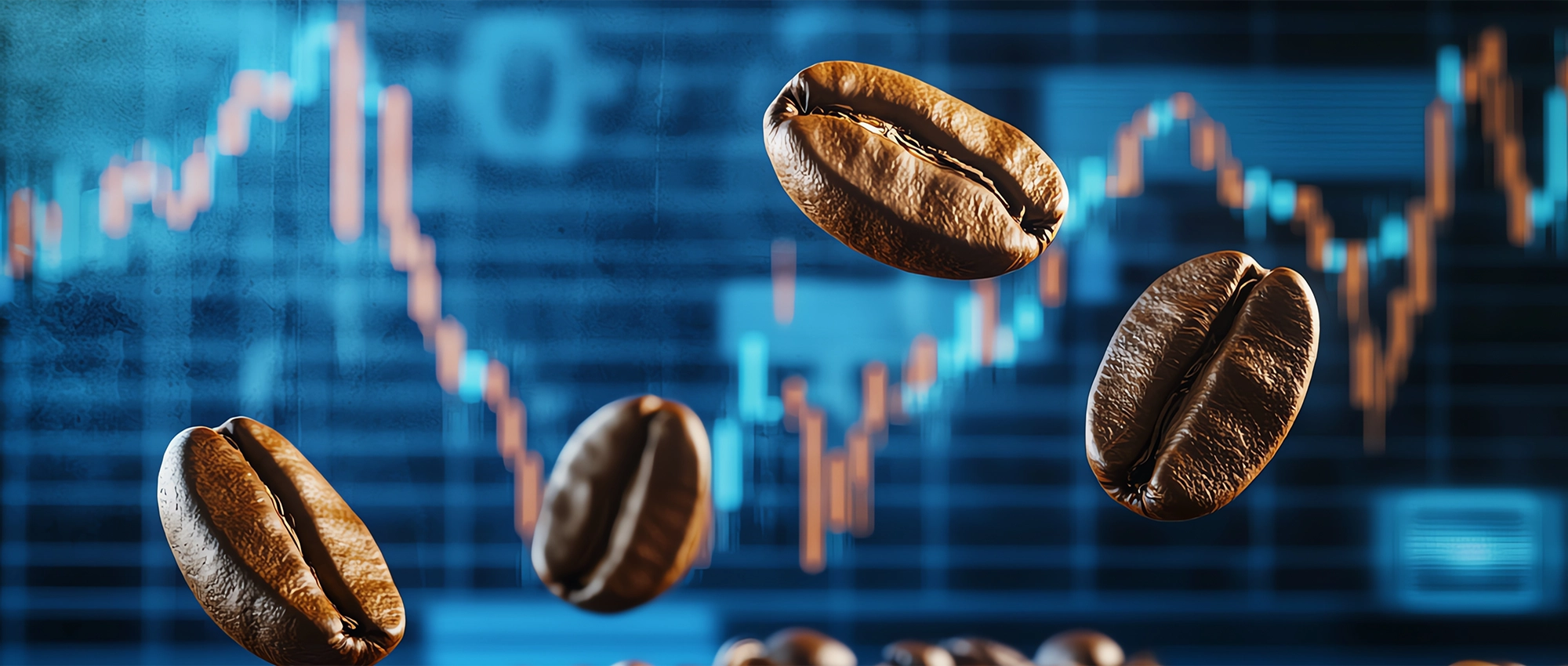
The cost of coffee beans remains volatile, presenting both challenges and opportunities. While prices fluctuate, direct relationships with importers and roasters can provide more predictable pricing. Specialty coffee shops that differentiate themselves through high-quality, ethically sourced beans can often command premium prices that customers willingly pay because they understand and appreciate the value. Milk prices fluctuate, but many cafes are successfully diversifying their offerings with alternative milk options that appeal to health-conscious customers while sometimes offering better margins.
Beyond ingredients, successful coffee shop owners are getting strategic about managing fixed costs. Negotiating favorable lease terms, investing in energy-efficient equipment that reduces utility costs, and implementing preventive maintenance programs that avoid expensive emergency repairs all contribute to healthier bottom lines.
Here’s the encouraging news: Toast research shows that 57% of diners understand why restaurants need to raise prices. Today’s consumers are more educated about supply chains, ingredient costs, and the realities of running a small business than ever before. The same Toast survey reveals that 51% of operators successfully adjusted menu prices in response to rising costs, and many found that transparent communication about why prices increased actually strengthened customer loyalty rather than damaging it.
Smart coffee shops are approaching pricing strategically by highlighting the quality and sourcing of their ingredients, offering tiered pricing with premium options alongside everyday favorites, implementing loyalty programs that reward regular customers, communicating value through storytelling about farmers, roasters, and preparation methods, and introducing profitable add-ons and upsells that enhance the customer experience while improving margins.
The cafes thriving despite inflation aren’t necessarily those with the lowest costs but rather those that clearly communicate value and build strong enough customer relationships that people choose quality over convenience or price alone.
Building a Strong Team: Solving the Staffing Challenge
Staffing remains an important consideration for coffee shop owners in 2026, but forward-thinking cafes are finding innovative solutions that turn this challenge into a competitive advantage. While finding skilled baristas requires effort, the coffee shops that invest in their teams are seeing remarkable returns in customer satisfaction, operational consistency, and overall profitability.
The key insight successful operators have discovered is that reducing turnover is far more valuable than constantly recruiting. Training a barista to excellence requires time and investment, but keeping that talented employee becomes much easier when you create an environment where they want to stay and grow. The cafes winning the talent battle are those that treat their teams as valuable assets rather than replaceable labor.
Progressive coffee shops are implementing strategies that dramatically improve retention. Offering competitive wages that reflect the skill and value baristas provide makes your business an employer of choice. Creating clear career paths where baristas can advance to shift leads, trainers, or management positions gives ambitious employees reasons to stay. Providing flexible scheduling that respects work-life balance attracts quality candidates who have options. Investing in ongoing training and education, including coffee certifications and professional development, shows employees you’re invested in their growth. Building a positive culture where staff feel valued, respected, and part of something meaningful creates loyalty that transcends wage competition.
The financial benefits of these investments are substantial. Lower turnover means reduced recruitment and training costs. Experienced staff work faster and more efficiently during rush periods. Consistent teams deliver better product quality that builds customer loyalty. Happy employees provide better service, creating a virtuous cycle of positive reviews and repeat business.
Regarding the tipping decline noted in Toast data showing tips fell to 19.1% in Q2 2025, innovative cafes are responding creatively. Some are implementing service charges that ensure predictable income for staff. Others are building comprehensive compensation packages that don’t rely solely on tips. Many are using technology to make tipping easier and more prominent for customers who do want to show appreciation.
The most successful coffee shops view their team as their greatest competitive advantage. While chains can replicate your menu and copy your aesthetic, they can’t duplicate the relationships your skilled, long-term staff build with regular customers. Investing in your people isn’t just about solving a staffing problem; it’s about building the foundation for long-term success.
Smart Equipment Investment and Maintenance
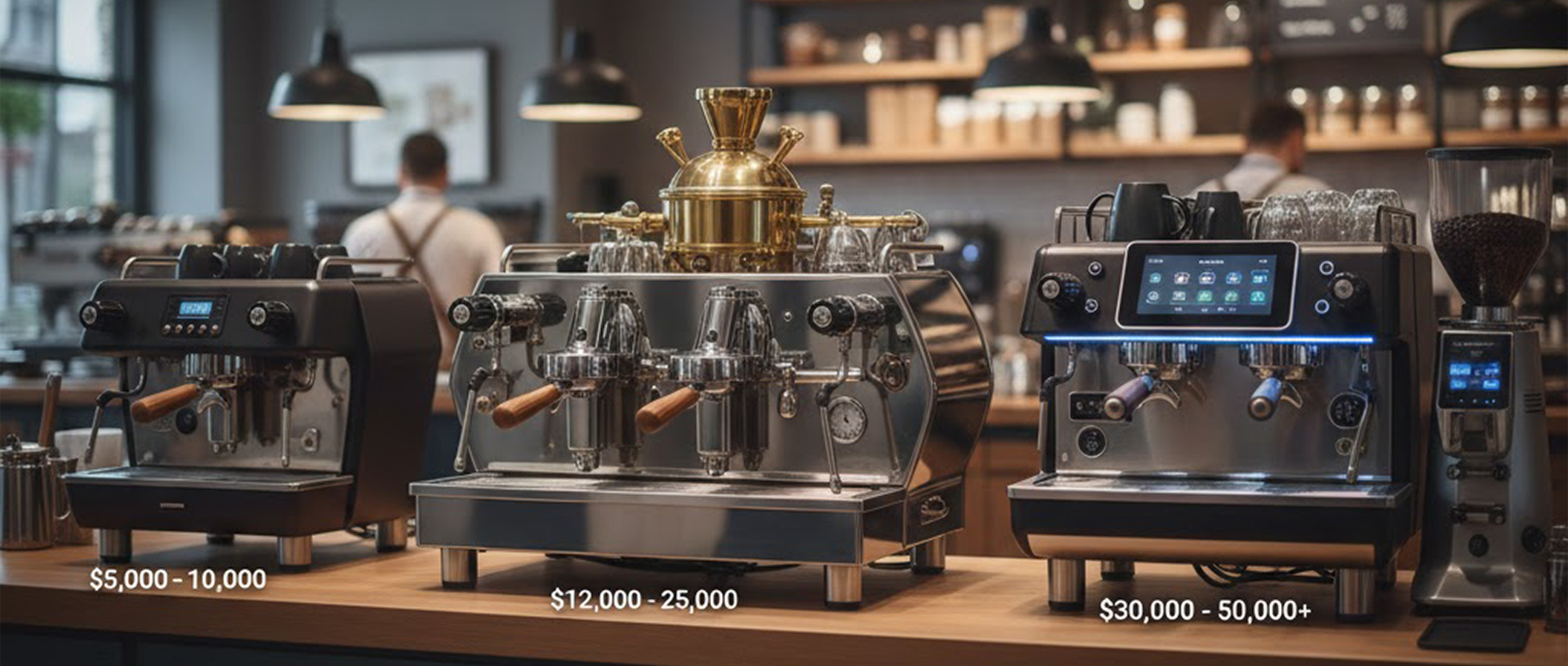
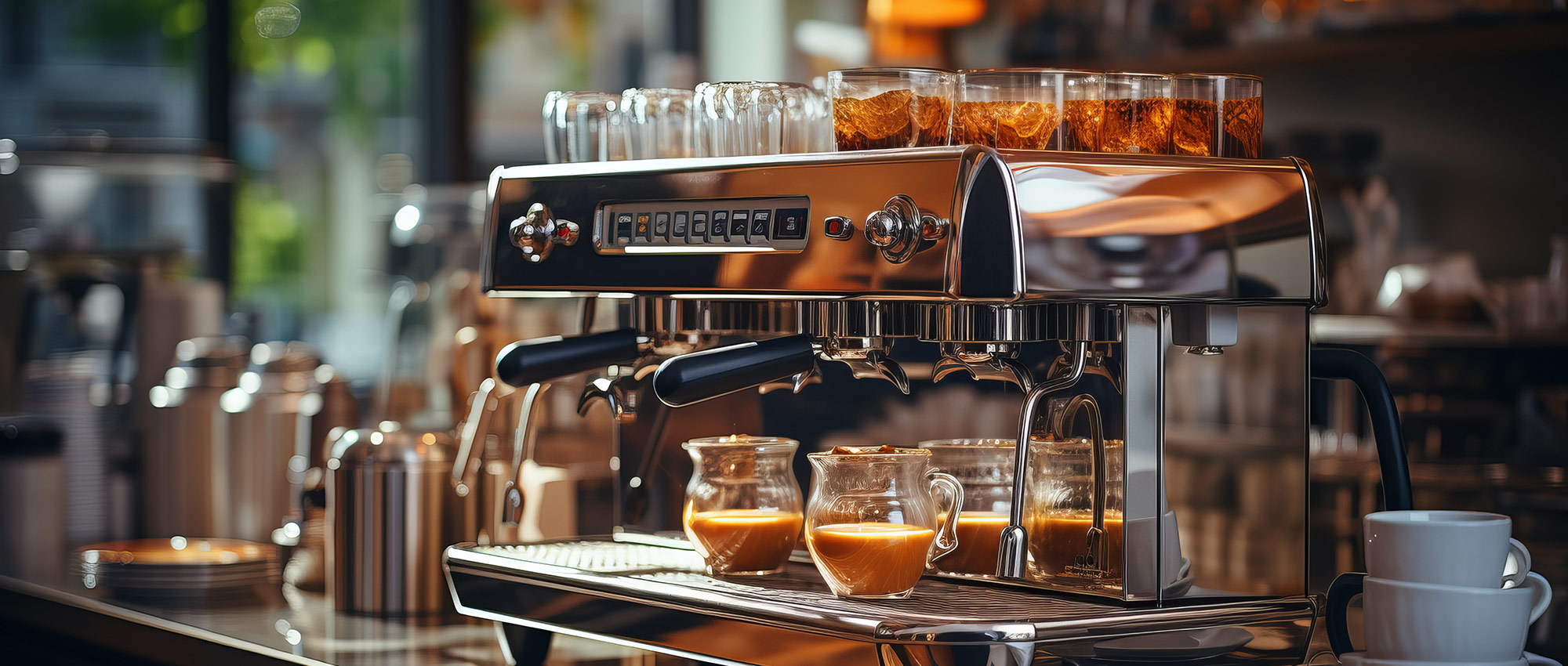
Quality equipment forms the backbone of any successful coffee operation, and smart operators view equipment investment as an opportunity rather than a burden. While commercial espresso machines and grinders represent significant capital investments ranging from $5,000 to $20,000 or more, choosing the right equipment and maintaining it properly delivers returns that far exceed the initial cost.
The good news is that today’s commercial coffee equipment is more reliable and efficient than ever. Modern espresso machines feature advanced temperature stability, user-friendly controls, and built-in diagnostics that alert you to potential issues before they become expensive problems. Quality grinders from established manufacturers can operate for decades with proper care, delivering consistent results that directly impact your product quality and customer satisfaction.
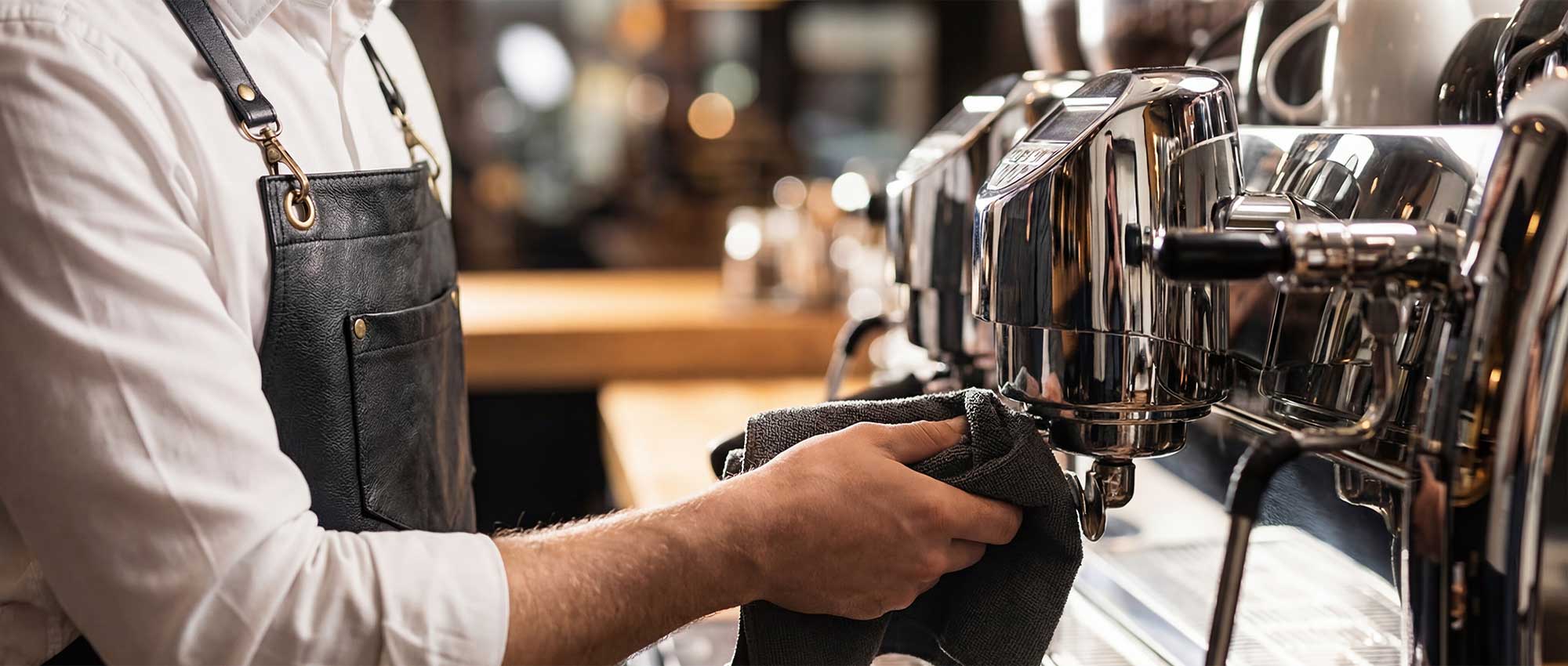
Successful coffee shop owners approach equipment strategically. They choose reliable brands with strong service networks and readily available parts. They establish relationships with qualified technicians before problems arise, not during emergencies. They implement preventive maintenance schedules that include regular cleaning, descaling, gasket replacement, and system checks, which cost a fraction of emergency repairs and prevent revenue-destroying downtime during peak hours.
Water filtration deserves special mention as one of the smartest investments a cafe can make. Quality filtration systems protect expensive equipment from scale damage, extend machine lifespan by years, improve coffee taste significantly, and reduce long-term maintenance costs. The relatively small ongoing cost of filter replacements prevents thousands of dollars in potential equipment damage.
Many equipment suppliers, including Bean and Brew Technologies, now offer comprehensive service plans that provide regular preventive maintenance, priority emergency service, training for your staff on proper equipment use and basic troubleshooting, and peace of mind knowing that experts are monitoring your equipment health. These plans transform equipment from a source of anxiety into a reliable business asset.
Smart operators also build backup plans. Having a backup grinder prevents total service disruption if your primary grinder needs repair. Maintaining relationships with local equipment dealers who can provide loaner equipment during major repairs keeps you operational during unexpected issues. Creating emergency procedures that your team understands prevents panic and revenue loss when equipment issues do occur.
The coffee shops that view equipment as a strategic investment rather than a necessary evil are the ones that maintain consistent quality, avoid costly downtime, and build reputations for reliability that keep customers coming back.
Achieving Excellence Through Consistency
Consistency represents one of the greatest opportunities for coffee shops to differentiate themselves and build loyal customer bases. When customers know they can count on the same excellent experience every visit, they become regulars, advocates, and the foundation of sustainable success. The cafes that master consistency aren’t struggling with it; they’re leveraging it as their competitive advantage.
Today’s technology and training methods make achieving consistency more attainable than ever. Volumetric espresso machines automatically control shot volume, eliminating variation between baristas and shifts. Digital scales provide precise dose measurements that ensure every drink starts with the correct amount of coffee. Temperature-controlled equipment maintains optimal brewing conditions automatically. These tools don’t replace skill; they support your baristas in delivering excellence consistently.
The most successful coffee shops implement clear systems that make consistency achievable. They document standard operating procedures for every drink on the menu, creating clear, step-by-step guides that remove guesswork. They establish quality control checkpoints where drinks are evaluated before reaching customers, catching inconsistencies before they impact satisfaction. They create training programs that teach not just techniques but the reasoning behind them, helping baristas understand why each step matters. They use checklists for opening, closing, and maintenance tasks, ensuring nothing is forgotten regardless of who’s working.
Modern tools support consistency in ways that weren’t possible years ago. Digital recipe cards displayed at workstations provide constant reference points. Scales that connect to your point-of-sale system can track dose consistency across shifts. Training videos allow new staff to review techniques repeatedly until they master them. Some innovative cafes even use cameras to record and review preparation techniques, providing coaching opportunities that accelerate skill development.
The business benefits of consistency are substantial. Customers return because they trust you’ll deliver the experience they’re expecting. Positive reviews accumulate as satisfied customers share reliable experiences. Staff confidence grows when they have clear standards and reliable methods. Quality control becomes easier when you have documented standards to reference. Training new employees becomes faster when you have proven systems to teach.
Rather than seeing consistency as a burden, forward-thinking operators recognize it as the foundation of everything else they want to achieve. You can’t build a loyal customer base on inconsistency. You can’t effectively market a product that varies wildly. You can’t scale your business if quality depends entirely on which employee happens to be working. Consistency is what transforms a good idea into a sustainable business.
Meeting and Exceeding Customer Expectations
Today’s coffee shop customers bring sophisticated tastes and high expectations, which represents an exciting opportunity for cafes that deliver exceptional experiences. Modern customers don’t just want good coffee; they’re seeking an experience that justifies leaving home, and they’re willing to pay premium prices for businesses that deliver it consistently.
The evolution of customer expectations has actually raised the entire industry. Customers now appreciate origin stories, understand processing methods, recognize quality equipment, and value skilled preparation. This education creates opportunities for cafes that invest in quality to differentiate themselves and command pricing that supports sustainable operations. When customers understand why your beans cost more or why your baristas spend years perfecting their craft, they become advocates rather than price shoppers.
Social media, often viewed as adding pressure, actually provides free marketing for cafes that embrace it strategically. Every beautifully photographed latte, every customer post tagging your location, every share of your origin story extends your reach far beyond what traditional advertising could achieve. The cafes succeeding on social media aren’t spending hours daily on content creation; they’re creating genuine experiences worth sharing and making it easy for customers to do so.
The morning rush, while intense, represents your most valuable revenue opportunity. Customers during rush periods are often your most loyal regulars, the ones who trust you enough to depend on you for their daily ritual. Smart cafes optimize for rush periods by designing efficient workflows that maintain quality while improving speed, training staff specifically for high-volume service, implementing mobile ordering that reduces wait times, offering grab-and-go options alongside made-to-order drinks, and creating loyalty programs that reward and retain your best customers.
Third-party delivery platforms require strategic thinking rather than blanket adoption. The most successful approach treats delivery as one channel among many rather than trying to be everything to everyone. Some cafes negotiate better commission rates by committing to exclusive partnerships. Others focus on house delivery with employed drivers, keeping control and margins. Many create delivery-specific menu items with better margins and transport characteristics. The key is making delivery work for your business model rather than accepting terms that destroy profitability.
Managing online reputation has become easier with tools that centralize review monitoring and response. Successful operators view reviews as free market research and relationship-building opportunities. They respond promptly and professionally to negative feedback, often converting disappointed customers into loyal advocates. They encourage satisfied customers to share experiences, building social proof that attracts new business. They use Google Business Profile and Yelp strategically as marketing platforms rather than viewing them as necessary evils.
The coffee shops thriving in 2026 don’t see customer expectations as burdens; they see them as standards to exceed and opportunities to wow people who appreciate excellence. Every high expectation represents a chance to demonstrate your value and justify your premium positioning.
Technology as Your Competitive Advantage
The technology available to coffee shop owners in 2026 provides unprecedented opportunities to operate more efficiently, understand your business better, and deliver superior customer experiences. Smart operators embrace these tools as force multipliers that amplify their efforts and expertise.
Modern point-of-sale systems have evolved far beyond simple transaction processing. Today’s systems provide real-time insights into sales trends, labor efficiency, inventory turnover, and customer preferences. They identify your most profitable items, your busiest hours, and your most valuable customers. This data empowers better decision-making in every aspect of your business, from scheduling to menu development to marketing.
Volumetric espresso machines represent another technology investment with immediate returns. These machines deliver consistent shot volumes automatically, dramatically reducing training time for new baristas while ensuring quality remains high even during busy periods. The consistency they provide directly translates to customer satisfaction and operational efficiency.
Scheduling and labor management software optimizes one of your largest expenses by ensuring you have the right staffing levels at the right times, reducing costly overstaffing during slow periods while preventing understaffing during rushes. Many systems now integrate with your POS to automatically suggest optimal schedules based on historical traffic patterns.
For coffee shop owners looking to grow their customer base, investing in local SEO strategies has become essential. With the majority of customers discovering coffee shops through Google searches and map applications, ensuring prominent placement in local search results directly impacts foot traffic and revenue. The good news is that local SEO is one of the most cost-effective marketing strategies available, delivering long-term results without ongoing advertising expenses.
Your Path to Coffee Shop Success in 2026
Here’s what every prospective and current coffee shop owner needs to understand: the challenges facing the industry in 2026 are real, but they’re also manageable and increasingly well-understood. More importantly, thousands of independent coffee shops across America are not just surviving but thriving by implementing the strategies and systems outlined in this article.
The cafes that succeed share common characteristics that have nothing to do with luck and everything to do with intentional business practices. They understand their numbers and make data-driven decisions about pricing, labor, and inventory. They invest in their people through competitive compensation, thorough training, and genuine career development. They choose quality equipment and maintain it proactively rather than reactively. They build systems that ensure consistency across all shifts and service periods. They embrace technology that improves efficiency and customer experience. They view challenges as opportunities to differentiate themselves from competitors.
Most importantly, successful coffee shop owners approach their businesses with both passion and professionalism. They love coffee and creating community spaces, but they also respect the business fundamentals that ensure sustainability. They stay informed about industry trends and best practices. They build relationships with suppliers, equipment dealers, and fellow cafe owners who can provide guidance and support. They’re willing to adapt when something isn’t working rather than stubbornly pursuing failing strategies.
The coffee shop industry is stronger and more sophisticated than ever. The resources available to new and existing operators, from equipment technology to training programs to business education, have never been better. Consumer appreciation for quality coffee and exceptional cafe experiences continues growing, supporting businesses that deliver genuine value.
If you’re considering opening a coffee shop, don’t be discouraged by the challenges outlined in this article. Instead, use them as your blueprint for preparation and success. Every challenge has proven solutions. Every obstacle has been overcome by operators who came before you. With adequate planning, sufficient capitalization, commitment to excellence, and willingness to implement best practices, your coffee shop can absolutely succeed in 2026 and beyond.
For established operators facing these challenges, remember that your experience and customer relationships give you advantages that new competitors can’t easily replicate. Double down on what makes your cafe special. Invest in the systems and improvements that will strengthen your competitive position. Connect with other local business owners who understand the challenges and can provide mutual support.
The coffee shop business in 2026 offers tremendous opportunities for operators who bring both passion and professionalism to their work. The market is strong, customers are willing to pay for quality, technology provides unprecedented support, and proven strategies for success are well documented and readily available. Your success isn’t a matter of luck or perfect timing, it’s a matter of preparation, execution, and commitment to continuous improvement. The cafes that will thrive in 2026 and beyond aren’t those that avoid challenges; they’re the ones that face challenges head-on with smart strategies, resilient systems, and unwavering dedication to delivering exceptional experiences that keep customers coming back day after day, year after year.

Gary Downey
Gary Downey
Tags :
Coffee U Sunday: Weekly Coffee Business Education
Get expert coffee insights delivered to your inbox every Sunday. Equipment guides, brewing tips, business strategies, and industry trends to help your business succeed.
Categories
Categories
- Coffee Brewers (1)
- Coffee Business Success (9)
- Coffee Grinders (1)
- Coffee Shop Owners (8)
- Coffee Technology (3)
- Cold Brew Coffee (2)
- Espresso Machines (10)
- Espresso Shots (3)
- La Marzocco (2)
- Maintenance & Service (4)
- Specialty Coffee Drinks (3)
- Water Treatment (1)
📚 Equipment Guides
Comprehensive breakdowns of different machine types, helping you make informed purchasing decisions
 Maintenance Tips
Professional techniques to keep your equipment running at peak performance and extend its lifespan
 Brewing Science
Understand the ‘why’ behind extraction, temperature stability, and equipment design
 Troubleshooting Help
Common problems and solutions to minimize downtime and service calls
 Business Insights
ROI calculations, workflow optimization, and equipment selection for your specific needs
 Technology Explained
Demystifying features like PID control, pressure profiling, and heat exchange systems
Coffee U Sunday: Weekly Coffee Business Education
Get expert coffee insights delivered to your inbox every Sunday. Equipment guides, brewing tips, business strategies, and industry trends to help your business succeed.
Share
Use our search function or browse by category to find exactly what you need. Can’t find an answer? Contact us directly, your question might inspire our next Coffee U article! As we grow, so will this resource, shaped by the real needs of coffee professionals like you.
Start exploring Coffee U today and discover why Bean & Brew Technologies is committed to elevating the coffee industry through education and exceptional service.