
What Equipment Do I Need to Start a Coffee Shop? Complete 2025 Guide

Starting a coffee shop requires careful planning and significant investment in the right equipment. Understanding what equipment you need to start a coffee shop is crucial for success, as your choices will directly impact drink quality, operational efficiency, and customer satisfaction. This comprehensive guide covers every piece of essential coffee shop equipment you’ll need to open your doors and serve exceptional coffee from day one.

Essential Coffee Brewing Equipment

Commercial Espresso Machine: Your Business Foundation

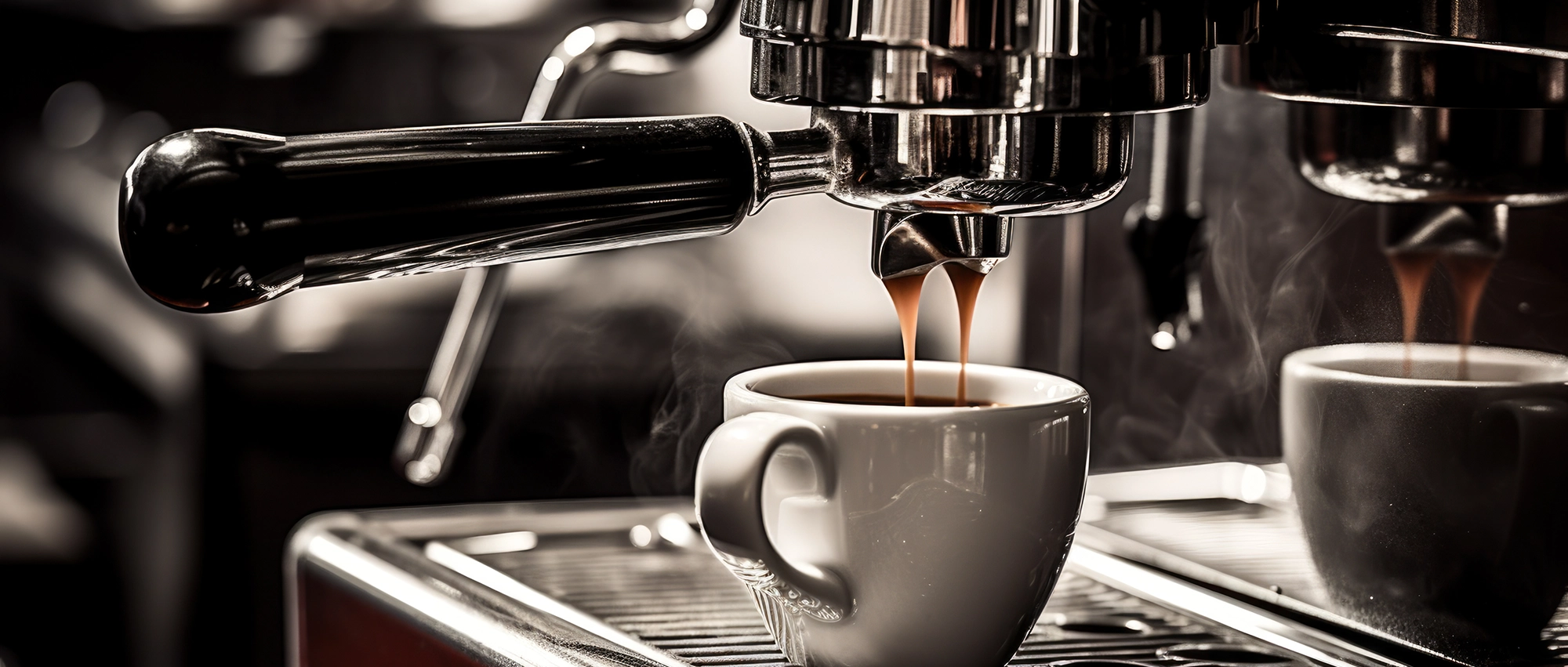
The commercial espresso machine serves as the cornerstone of your coffee shop operation. Unlike home espresso machines, commercial units are built to handle high-volume service while maintaining consistent quality throughout busy periods.

Key considerations for espresso machine selection:

  • Volume capacity: Choose based on expected drinks per hour during peak times
  • Group heads: Single group for small operations, 2-3 groups for higher volume
  • Boiler type: Dual boilers offer better temperature control and simultaneous brewing/steaming
  • Price range: Expect to invest $5,000-$30,000 depending on features and capacity

Popular commercial espresso machine brands include La Marzocco, Nuova Simonelli, and Astoria. Semi-automatic machines give baristas control over extraction time, while volumetric machines offer consistency through programmable shot volumes.

Commercial Coffee Grinders: The Quality Foundation

Fresh grinding is non-negotiable for exceptional coffee quality. Commercial coffee grinders must handle daily high-volume grinding while producing consistent particle sizes for optimal extraction.

Essential grinder requirements:

  • Separate grinders: One dedicated espresso grinder and one for drip coffee
  • Burr type: Conical or flat burrs for uniform grinding (avoid blade grinders)
  • Capacity: 1.5-5 pound hoppers for commercial use
  • Investment: Budget $800-$5000 per grinder

The espresso grinder requires ultra-fine particle consistency, while the drip coffee grinder handles coarser grinds for pour-over and batch brewing methods.

Commercial Coffee Brewers

For customers preferring traditional drip coffee, commercial coffee brewers provide consistent results and keep coffee fresh for extended periods.

Brewer options include:

  • Automatic drip brewers: Connect directly to water lines for convenience
  • Thermal brewers: Maintain coffee temperature without burning
  • Satellite brewers: Brew into insulated dispensers for self-service
  • Pour-over stations: For specialty brewing methods

Water Quality and Treatment Systems

Water comprises over 98% of coffee, making water quality equipment essential for both taste and equipment protection.

Water Filtration Systems

Professional water filtration removes chlorine, reduces scale-causing minerals, and ensures consistent water chemistry for optimal extraction. Quality filtration systems like Blue Water or EverPure by Pentair provide:

  • Scale prevention to protect expensive equipment
  • Chlorine removal for better taste
  • Consistent mineral content for reliable extraction
  • Reduced maintenance costs and equipment downtime

Water Quality Testing

Regular water testing ensures your filtration system maintains optimal parameters:

  • Total dissolved solids (TDS): 75-150 ppm
  • pH level: 6.5-7.5
  • Calcium hardness: 17-85 ppm
  • Total alkalinity: Around 40 ppm

Refrigeration and Food Storage Equipment

Proper refrigeration maintains ingredient freshness and meets health department requirements.

Essential refrigeration includes:

  • Under-counter refrigerators: For frequently used milk and ingredients
  • Reach-in refrigerators: Back-of-house storage for bulk ingredients
  • Display cases: Showcase pastries and food items attractively
  • Freezers: Store backup inventory and frozen products

Temperature requirements:

  • Dairy products: 35-38°F
  • Display cases: Maintain food safety standards
  • Freezer storage: 0°F or below

Food Preparation Equipment

Most coffee shops expand beyond beverages to include food offerings, requiring appropriate preparation equipment.

Basic food equipment:

  • Commercial toasters: Conveyor or pop-up styles for bagels and sandwiches
  • Compact ovens: Heat pre-made items quickly
  • Food processors: Prepare sauces, spreads, and ingredients
  • Commercial blenders: Create smoothies and blended drinks
  • Prep surfaces: Stainless steel work tables for food safety

Ventilation systems

Food preparation generates heat and odors, making proper ventilation essential for customer and staff comfort. All electric ovens could be a way to cut costs on expensive ventilation systems.

Point of Sale (POS) and Business Systems

Modern coffee shops require sophisticated POS systems that handle more than simple transactions.

Essential POS features:

  • Inventory tracking: Monitor ingredient usage and costs
  • Employee management: Track hours, performance, and scheduling
  • Analytics reporting: Understand sales patterns and customer preferences
  • Integration capabilities: Connect with delivery platforms and online ordering
  • Payment processing: Accept cards, mobile payments, and gift cards

Popular coffee shop POS systems include Square, Toast, and Lightspeed, each offering specialized features for food service operations.

Cleaning and Maintenance Equipment

Equipment maintenance directly impacts drink quality, equipment longevity, and health code compliance.

Essential cleaning supplies:

  • Espresso machine cleaners: Specialized descaling and back flushing chemicals
  • Grinder cleaning tablets: Remove coffee oils and debris
  • Sanitizing solutions: Food-safe surface cleaners
  • Cleaning brushes: Various sizes for different equipment components
  • Microfiber cloths: Lint-free cleaning for equipment surfaces

Maintenance schedules:

  • Daily: Basic cleaning and sanitizing
  • Weekly: Deep cleaning of equipment components
  • Monthly: Professional descaling and calibration
  • Quarterly: Comprehensive equipment servicing

Barista Tools and Accessories

Professional barista tools ensure consistent drink preparation and efficient workflow.

Essential barista equipment:

  • Tampers: 58mm for standard portafilters
  • Milk pitchers: Various sizes for different drink volumes
  • Scales: Digital precision for consistent dosing
  • Timers: Track extraction times for quality control
  • Knock boxes: Dispose of used coffee grounds efficiently
  • Cleaning cloths: Maintain equipment between uses

Quality considerations:

Invest in professional-grade tools that withstand daily commercial use. Cheap tools break frequently and impact drink consistency.

Serving and Presentation Equipment

Customer experience includes proper serving vessels and presentation materials.

Essential serving items:

  • Coffee cups: Various sizes (2oz, 4oz, 6oz, 12oz) for different drinks
  • Saucers and spoons: Complete the coffee service experience
  • To-go cups: Multiple sizes with lids and sleeves
  • Glassware: For specialty drinks and presentation
  • Display materials: Menu boards, signage, and promotional items

Branding opportunities:

Custom cups, napkins, and packaging reinforce your brand identity and create marketing opportunities.

Ice and Beverage Equipment

Cold beverages require dedicated equipment for consistent quality and efficiency.

Ice equipment:

  • Commercial ice machines: Sufficient capacity for peak demand
  • Ice storage bins: Sanitary storage with easy access
  • Ice scoops: Food-safe dispensing tools

Cold beverage equipment:

  • Blenders: High-performance models for frozen drinks
  • Cold brew systems: For specialty cold coffee preparation
  • Refrigerated dispensers: Self-service cold beverages

Dishwashing and Sanitation Systems

Efficient cleaning systems maintain health standards and ensure adequate clean serving materials.

Dishwashing options:

  • Three-compartment sinks: Manual washing for smaller operations
  • Commercial dishwashers: Under-counter or single-rack models
  • Glass washers: Specialized cleaning for coffee cups and glassware

Sanitation requirements:

  • Hot water temperatures: 180°F for sanitizing
  • Chemical sanitizers: EPA-approved food-safe solutions
  • Air drying systems: Prevent contamination after washing

Budget Planning and Equipment Costs

Understanding equipment costs helps create realistic budgets and financing plans.

Typical investment ranges:

  • Espresso machine: $5,000-$30,000
  • Grinders (2): $1,600-$5,000 total
  • Commercial brewer: $1,500-$4,000
  • Water filtration: $500-$3,000
  • Refrigeration: $2,000-$8,000
  • POS system: $1,000-$5,000
  • Small wares and accessories: $2,000-$5,000

Total equipment investment: $15,000-$65,000 depending on size and quality choices.

Financing options:

  • Equipment leasing programs
  • Small business loans
  • Equipment-specific financing
  • Used equipment purchases

Equipment Selection Strategy

Choose equipment based on your specific business model and customer expectations.

Consider these factors:

  • Target volume: Peak hour drink capacity
  • Menu offerings: Espresso-focused vs. diverse beverage menu
  • Space constraints: Kitchen and service area limitations
  • Budget limitations: Balance quality with financial reality
  • Growth plans: Equipment that can scale with business growth

Quality vs. cost balance:

Invest in core brewing equipment (espresso machine, grinders) while economizing on accessories and non-essential items initially.

Installation and Setup Considerations

Proper installation ensures equipment operates efficiently and meets health department requirements.

Professional installation includes:

  • Electrical connections (220V for most commercial equipment)
  • Plumbing for water lines and drainage
  • Ventilation system connections (If required)
  • Equipment positioning for optimal workflow
  • Staff training on operation and basic maintenance

Health department requirements:

  • NSF-certified equipment for food safety
  • Proper drainage and sanitation systems
  • Adequate hand-washing facilities
  • Food storage temperature monitoring

Ongoing Equipment Management

Success depends on maintaining equipment properly and planning for replacements.

Maintenance partnerships:

Establish relationships with qualified service technicians for each equipment type. Regular preventive maintenance prevents costly breakdowns during peak business hours.

Replacement planning:

Commercial coffee equipment typically lasts 7-10 years with proper maintenance. Plan for eventual replacements in your long-term business strategy.

Conclusion

Selecting the right equipment to start your coffee shop requires balancing quality, capacity, and budget considerations. Focus your investment on core brewing equipment that directly impacts drink quality, while choosing cost-effective solutions for supporting equipment initially. Remember that equipment choices affect not only your opening day success but also your ongoing operational efficiency and customer satisfaction.

Proper planning, quality equipment selection, and professional installation create the foundation for a successful coffee shop operation. Take time to research thoroughly, visit suppliers, and test equipment when possible before making final decisions. Your equipment investment represents the foundation of your coffee business, choose wisely to ensure long-term success.
http://www.madrasthemes.com

The Foundation of Great Coffee: Why Water Quality is Critical for Coffee and Espresso Brewing

Water represents over 98% of your finished coffee, yet it’s often the most overlooked component in achieving exceptional brewing results. While coffee professionals obsess over bean origins, roast profiles, and extraction techniques, many fail to recognize that water quality fundamentally determines both the flavor in your cup and the longevity of your expensive equipment. Understanding and controlling water quality isn’t just about taste, it’s about protecting your investment and ensuring consistent excellence in every cup.

The Science of Water in Coffee Extraction

Coffee brewing is essentially a complex extraction process where water acts as the solvent, dissolving and carrying hundreds of flavor compounds from ground coffee beans. The mineral content, pH level, and chemical composition of your water directly influence which compounds are extracted and how efficiently this process occurs.

Pure distilled water, while seemingly ideal, actually produces flat, lifeless coffee because it lacks the minerals necessary for proper extraction. Conversely, water with excessive mineral content can over-extract certain compounds while preventing others from dissolving properly, creating unbalanced flavors and bitter notes that mask coffee’s natural characteristics.

The Specialty Coffee Association recommends specific water standards for optimal brewing: total dissolved solids (TDS) between 75-150 parts per million, calcium hardness around 17-85 ppm, total alkalinity near 40 ppm, and a pH between 6.5-7.5. These parameters create the perfect chemical environment for balanced extraction while protecting equipment from damage.

How Water Minerals Affect Coffee Flavor

Calcium and magnesium are the primary minerals responsible for water hardness, and each plays a distinct role in coffee extraction. Calcium enhances the extraction of acidic compounds, contributing to brightness and clarity in the cup. However, excessive calcium can lead to over-extraction and harsh, bitter flavors that overpower subtle coffee notes.

Magnesium acts differently, promoting the extraction of coffee’s aromatic compounds and contributing to a fuller body and enhanced mouthfeel. The ideal ratio between calcium and magnesium creates a balanced extraction profile that showcases both clarity and complexity in the finished coffee.

Bicarbonate alkalinity serves as a buffer, neutralizing the natural acids in coffee. Proper alkalinity levels prevent coffee from becoming overly acidic while maintaining the brightness that defines exceptional espresso and coffee. Too little alkalinity results in sharp, sour flavors, while excessive alkalinity creates flat, dull coffee with muted acidity.

The interplay between these minerals is complex and delicate. Even small variations in mineral content can dramatically alter extraction efficiency and flavor development, which is why professional coffee operations invest heavily in water treatment systems that provide consistent, optimal water chemistry.

The Hidden Costs of Hard Water

Hard water poses significant threats to commercial coffee equipment that extend far beyond flavor concerns. The calcium and magnesium in hard water form scale deposits when heated, creating a cascade of problems that can devastate your equipment investment and operational efficiency.

Scale buildup begins immediately when hard water is heated in espresso machines, coffee brewers, and steam wands. These mineral deposits accumulate on heating elements, reducing their efficiency and forcing them to work harder to maintain proper temperatures. This increased workload leads to higher energy consumption and accelerated component failure.

In espresso machines, scale creates particularly severe problems. It narrows internal water passages, reducing flow rates and creating inconsistent pressure during extraction. Scale on heating elements causes temperature fluctuations that make consistent espresso extraction nearly impossible. The insulating properties of scale deposits force heating elements to operate at higher temperatures, significantly shortening their lifespan.

Steam wands suffer enormously from hard water exposure. Scale deposits create restrictions that reduce steam pressure and quality, affecting milk texturing capabilities. Internal scale buildup can completely block steam passages, requiring expensive repairs or replacement. The calcium deposits also provide breeding grounds for bacteria, creating hygiene concerns that can affect product quality and customer safety.

Boiler systems in commercial espresso machines represent the most vulnerable and expensive components affected by hard water. Scale accumulation on boiler walls reduces heat transfer efficiency and can cause hot spots that lead to metal fatigue and eventual failure. Replacing commercial espresso machine boilers often costs thousands of dollars and requires significant downtime.

Equipment Longevity and Maintenance Costs

The financial impact of untreated water extends beyond immediate repair costs. Scale buildup forces more frequent cleaning cycles, increasing chemical costs and labor requirements. Descaling procedures, while necessary, are harsh on equipment seals, gaskets, and internal components, potentially causing additional wear and premature failure.

Professional espresso machines operating with hard water may require descaling every few weeks instead of the monthly or quarterly schedules possible with proper water treatment. This frequent maintenance not only increases direct costs but also creates operational disruptions during peak service periods.

Component replacement becomes significantly more frequent with hard water use. Heating elements, pressure relief valves, solenoid valves, and pump components all suffer accelerated wear when exposed to scale deposits. The cumulative cost of these replacements can exceed the price of a comprehensive water treatment system within the first year of operation.

Energy efficiency also suffers dramatically with scale buildup. Studies show that just 1/8 inch of scale on heating elements can increase energy consumption by 25% or more. For high-volume operations, this efficiency loss translates to hundreds or thousands of dollars in additional utility costs annually.

The Critical Importance of Water Treatment

Implementing proper water treatment isn’t optional for serious coffee operations, it’s essential for both quality and profitability. Water treatment systems provide consistent water chemistry that enables reproducible extraction results while protecting equipment investments.

Quality water treatment eliminates the variables that make consistent coffee preparation challenging. When water chemistry remains stable, baristas can focus on perfecting their technique without compensating for daily variations in extraction efficiency caused by fluctuating mineral content.

Professional water treatment also enables coffee shops to showcase premium coffee beans properly. Single-origin coffees and complex blends can express their full flavor potential only when brewed with appropriately treated water. Untreated water masks subtle flavor notes and creates off-flavors that prevent customers from experiencing coffee as intended.

Blue Water Filtration: Advanced Protection Technology

Blue Water filtration systems represent cutting-edge technology in commercial water treatment, specifically designed for the demanding requirements of professional coffee operations. These systems address both scale prevention and chlorine removal while maintaining optimal mineral balance for superior extraction.

The Blue Water advantage lies in its multi-stage filtration approach that targets specific contaminants without stripping beneficial minerals. The system effectively removes chlorine and chloramines that can create off-flavors while preserving the calcium and magnesium levels necessary for proper extraction. This selective filtration ensures consistent water chemistry that enhances coffee flavor rather than diminishing it.

Blue Water systems incorporate advanced scale prevention technology that doesn’t rely solely on traditional softening methods. Instead of removing all minerals, the system modifies mineral structure to prevent scale formation while maintaining extraction-friendly water chemistry. This approach provides equipment protection without sacrificing coffee quality.

The reliability of Blue Water systems makes them ideal for high-volume commercial applications. The robust construction and long-lasting filter elements minimize maintenance requirements while providing consistent performance throughout extended service intervals. This reliability is crucial for operations that cannot afford water quality interruptions during peak business periods.

EverPure by Pentair: Industry-Leading Filtration Excellence

EverPure water filtration systems by Pentair have earned their reputation as the gold standard in commercial foodservice water treatment. With decades of innovation and refinement, EverPure systems deliver the consistent water quality that professional coffee operations demand.

The EverPure approach combines multiple filtration technologies in a single, compact system. Their proprietary Micro-Pure filtration media removes chlorine taste and odor while reducing scale-forming minerals to safe levels. The system maintains essential minerals for proper extraction while eliminating contaminants that can affect flavor or equipment performance.

One of EverPure’s greatest strengths is their extensive product line that addresses specific water challenges. Whether dealing with extremely hard water, high chlorine levels, or unusual local contaminants, EverPure offers specialized solutions tailored to regional water conditions. This flexibility ensures optimal performance regardless of local water quality variations.

The self-contained cartridge design of EverPure systems simplifies maintenance while ensuring consistent performance throughout the filter’s lifespan. The shut-off feature automatically stops water flow when cartridge replacement is needed, preventing degraded water quality from affecting coffee or equipment. This failsafe protection provides peace of mind for busy operations where water quality monitoring might otherwise be overlooked.

Why Bean and Brew Recommends Both Systems

At Bean and Brew Technologies, our extensive experience with commercial coffee operations has shown us that different environments require different solutions. We recommend and sell both Blue Water and EverPure systems because each offers unique advantages that make them ideal for specific applications and water conditions.

Blue Water systems excel in situations where maintaining natural mineral content is paramount for coffee flavor development. Their advanced scale prevention technology makes them particularly valuable for operations using extremely hard water where traditional softening would over-treat the water and diminish extraction quality.

EverPure systems provide unmatched reliability and consistency, making them ideal for high-volume operations that demand absolute dependability. Their proven track record in demanding commercial environments and comprehensive local support network make them the preferred choice for operations where downtime simply isn’t acceptable.

Our dual recommendation approach ensures that every client receives the optimal water treatment solution for their specific needs, water conditions, and operational requirements. We analyze local water conditions, assess equipment requirements, and consider operational factors to recommend the system that will deliver the best long-term value and performance.

The Investment That Pays for Itself

Quality water treatment represents one of the most cost-effective investments any coffee operation can make. The combination of improved coffee quality, reduced maintenance costs, extended equipment life, and energy savings typically provides complete return on investment within the first year.

The consistency that proper water treatment provides also enhances staff training and reduces variability in product quality. When water chemistry remains stable, new baristas can focus on developing their skills without fighting against daily variations in extraction behavior caused by fluctuating water conditions.

Customer satisfaction improves dramatically when coffee quality becomes consistent and optimal. The enhanced flavor profiles achievable with properly treated water often justify premium pricing and increased customer loyalty, directly impacting profitability.

Conclusion: Water as Your Foundation

Water quality forms the invisible foundation upon which all coffee excellence is built. Ignoring this critical component undermines every other investment in quality coffee, skilled staff, and expensive equipment. By implementing proper water treatment with proven systems like Blue Water or EverPure, coffee operations protect their investments while unlocking the full potential of their coffee programs.

The choice between systems should be based on specific water conditions, operational requirements, and quality goals. Both Blue Water and EverPure offer proven solutions that transform ordinary water into the foundation for extraordinary coffee. The question isn’t whether you can afford to invest in water treatment, it’s whether you can afford not to.


http://www.madrasthemes.com

The Critical Role of Coffee Grinders in Espresso Extraction: Why Your Grinder Matters More Than You Think

In the world of espresso, where precision and consistency reign supreme, no piece of equipment is more crucial to extraction success than the coffee grinder. While many coffee enthusiasts focus on expensive espresso machines, seasoned professionals understand that the grinder is the true foundation of exceptional espresso. A mediocre grinder paired with a high-end espresso machine will consistently produce disappointing results, while a superior grinder can elevate even a modest espresso setup to professional standards.

The Science Behind Grind Quality and Extraction

The relationship between grind quality and espresso extraction is rooted in surface area physics and fluid dynamics. When coffee beans are ground, we’re creating surface area for water to interact with the coffee’s soluble compounds. The size, shape, and uniformity of these particles directly determine how water flows through the coffee bed and how efficiently extraction occurs.

Perfect espresso extraction requires uniform particle size distribution. When particles are inconsistent, smaller pieces over-extract while larger pieces under-extract, creating a muddled flavor profile where bitter and sour notes compete rather than harmonize. This phenomenon, known as uneven extraction, is the primary enemy of great espresso and can only be conquered through superior grind quality.

The speed of extraction also depends heavily on grind consistency. Water naturally follows the path of least resistance, so any variation in particle size creates channels where water flows faster, bypassing much of the coffee bed. This channeling effect dramatically reduces extraction efficiency and creates the telltale signs of poor espresso: blonde spots during extraction, uneven crema, and unbalanced flavors.

Understanding Grinder Types: Blade vs. Burr

The coffee grinder landscape is dominated by two fundamental designs: blade grinders and burr grinders. Understanding their differences is crucial for anyone serious about espresso quality.

Blade grinders use rapidly spinning blades to chop coffee beans into fragments. While affordable and widely available, blade grinders produce highly inconsistent particle sizes with a significant percentage of both fines (powder-like particles) and boulders (large chunks). This inconsistency makes it virtually impossible to achieve proper espresso extraction. The chopping action also generates excessive heat, which can damage delicate coffee oils and aromatics.

Burr grinders, in contrast, crush coffee beans between two abrasive surfaces, creating much more uniform particle sizes. This crushing action produces fewer fines and boulders while maintaining better particle shape for optimal extraction. Burr grinders are further divided into two categories: conical burrs and flat burrs.

Conical Burr Grinders: The Traditional Choice

Conical burr grinders feature a cone-shaped burr that fits inside a larger, hollow burr. Coffee beans are drawn down between the burrs by gravity, where they’re progressively crushed as the space between burrs decreases. This design offers several advantages for espresso preparation.

The crushing action of conical burrs tends to produce more uniform particle shapes with fewer fines compared to flat burrs. This characteristic makes them particularly forgiving for espresso brewing, as the reduced fines help prevent over-extraction and bitter flavors. Conical burrs also operate at lower RPMs, generating less heat and preserving more of the coffee’s volatile compounds.

Many conical burr grinders excel at producing the slightly bimodal particle distribution that some espresso professionals prefer. This distribution includes a primary peak of properly sized particles with a smaller secondary peak of slightly larger particles, which can enhance body and mouthfeel in the final cup.

Flat Burr Grinders: Precision and Clarity

Flat burr grinders utilize two parallel, flat grinding surfaces with coffee beans fed between them. The beans are crushed and cut as they move from the center to the outer edge of the burrs. This design can produce exceptional particle uniformity when properly calibrated and maintained.

The advantage of flat burrs lies in their ability to create extremely consistent particle sizes, which can result in remarkable clarity and definition in espresso flavors. High-end flat burr grinders often produce what many consider the gold standard for espresso grinding, with minimal fines and exceptional particle uniformity.

However, flat burr grinders typically require more precise calibration and may be less forgiving than conical burr models. They also tend to operate at higher RPMs, which can generate more heat if not properly designed with adequate cooling systems.

The Price Spectrum: Why Grinders Vary So Dramatically

The price difference between entry-level and professional espresso grinders can be staggering, ranging from under $100 to over $3,000 and more. This variation reflects fundamental differences in design, manufacturing quality, and performance capabilities.

Entry-level grinders often compromise on burr quality, using softer metals that wear quickly and produce inconsistent results. The grinding mechanisms may lack precise adjustment capabilities, making it difficult to dial in espresso extractions. Motor quality is typically lower, leading to inconsistent grinding speeds and potential reliability issues.

Mid-range grinders begin to address these concerns with better burr materials, more precise adjustment mechanisms, and improved motor stability. However, they may still lack the build quality and consistency required for commercial use or the most demanding home applications.

Professional-grade grinders command premium prices because they deliver exceptional consistency, durability, and precision. These machines feature high-quality burr sets made from hardened steel or ceramic, precision-engineered adjustment mechanisms, powerful motors with consistent RPM control, and robust construction designed for thousands of hours of operation.

The difference in grind quality between price tiers is often immediately apparent in the cup. A $200 grinder might produce acceptable espresso, while a $2,000 grinder consistently delivers exceptional results with enhanced clarity, balance, and complexity.

Temperature Stability and Retention

Modern espresso grinders must address two critical factors that significantly impact extraction quality: temperature stability and grind retention. Heat generated during grinding can affect coffee flavor, while retention (coffee grounds remaining in the grinder) impacts freshness and dosing accuracy.

Temperature stability becomes crucial during high-volume grinding. As burrs heat up, they can alter grind consistency and damage volatile coffee compounds. Professional grinders often incorporate cooling systems, larger burr sets that dissipate heat more effectively, and motors designed for continuous operation without overheating.

Grind retention refers to the amount of ground coffee that remains in the grinder after operation. High retention can lead to stale coffee mixing with fresh grounds, affecting flavor and making precise dosing difficult. Low-retention designs minimize this issue through optimized grinding chamber geometry and specialized burr configurations.

The La Marzocco Swan: Excellence in Espresso Grinding

Among the elite tier of espresso grinders, the La Marzocco Swan stands as a remarkable achievement in grinding technology. This grinder represents the culmination of decades of espresso expertise applied to grinding innovation, delivering the precision and consistency that La Marzocco’s reputation demands.

The Swan’s flat burr design produces exceptionally uniform particle distribution, enabling baristas to achieve extraction levels that were previously difficult to attain. The 83mm flat burrs are precision-manufactured to exacting tolerances, ensuring consistent performance across thousands of shots. This consistency is crucial for commercial environments where maintaining quality standards throughout busy service periods is essential.

One of the Swan’s most impressive features is its advanced temperature management system. The grinder incorporates active cooling technology that maintains optimal burr temperature even during continuous operation. This thermal stability ensures that grind quality remains consistent from the first shot of the day to the last, eliminating the temperature-related variations that plague many commercial grinders.

The Swan’s stepless adjustment system provides incredibly precise control over grind size, allowing baristas to make minute adjustments that can transform espresso quality. This precision is particularly valuable when working with different coffee origins or adjusting for environmental changes throughout the day.

Retention is minimized through intelligent design that promotes efficient coffee flow through the grinding chamber. The Swan’s low-retention characteristics ensure that each dose contains primarily fresh grounds, maintaining flavor integrity and enabling accurate dosing for consistent extraction.

The build quality reflects La Marzocco’s commitment to longevity and reliability. The Swan is engineered for commercial environments where downtime is costly and consistency is paramount. Every component is designed for easy maintenance and long-term durability, making it a sound investment for serious coffee operations.

The Grinder’s Impact on Your Espresso Program

Investing in a superior grinder like the La Marzocco Swan transforms every aspect of espresso preparation. The improved grind quality immediately translates to better extraction efficiency, allowing baristas to achieve higher extraction yields with improved flavor balance. This enhanced extraction capability means that coffee purchases deliver better value, as more flavor can be extracted from each gram of coffee.

Consistency becomes the foundation of operational excellence. When grind quality is reliable, baristas can focus on other aspects of espresso preparation, knowing that their grinder will deliver predictable results. This consistency is particularly valuable in training environments, where new baristas need stable equipment to develop their skills.

The superior particle distribution provided by professional grinders also expands the range of coffees that can be successfully prepared as espresso. Single-origin coffees with delicate flavor profiles become more accessible, while complex blends can be fully expressed without the masking effects of uneven extraction.

Conclusion: The Foundation of Excellence

The coffee grinder stands as the unsung hero of exceptional espresso, quietly determining the quality ceiling for every shot pulled. While espresso machines deservedly receive attention for their dramatic brewing process, the grinder’s role in creating the uniform, properly sized particles necessary for optimal extraction cannot be overstated.

Understanding the relationship between grind quality and extraction opens the door to consistently superior espresso. Whether you’re operating a high-volume commercial environment or pursuing perfection in a home setup, investing in grinder quality pays dividends in every cup. The La Marzocco Swan represents the pinnacle of this investment, delivering the precision, consistency, and reliability that serious espresso demands.

In the pursuit of perfect espresso, remember that your grinder is not just a tool, it’s the foundation upon which all other brewing variables build. Choose wisely, and every shot will reflect that decision.

http://www.madrasthemes.com

What It Takes To Extract The Perfect Cup Of Espresso

Espresso extraction is both an art and a science, requiring precise control over multiple variables to achieve that perfect balance of sweetness, acidity, and body. The difference between a mediocre shot and an extraordinary one lies in understanding and mastering the fundamental principles that govern this complex brewing process.

The Foundation: Understanding Extraction Theory

Extraction is the process of dissolving soluble compounds from coffee grounds using hot water. In espresso, we’re aiming for an extraction yield of approximately 18-22%, meaning we want to extract roughly one-fifth of the coffee’s mass in soluble compounds. Under-extraction results in sour, weak espresso, while over-extraction produces bitter, harsh flavors.

The key to perfect extraction lies in achieving uniform water contact with all coffee particles. This requires precise control over grind size, distribution, tamping pressure, water temperature, and extraction time. Each variable influences how water flows through the coffee bed and how efficiently it extracts desirable compounds.

Coffee Selection and Freshness

The journey to perfect espresso begins with high-quality, freshly roasted coffee beans. Espresso typically performs best with beans roasted between 7-21 days post-roast date. During this window, the coffee has degassed sufficiently to allow for proper extraction while retaining optimal flavor compounds.

Single-origin coffees can showcase unique terroir characteristics, while blends offer complexity and balance. Regardless of your choice, look for beans with a roast profile that develops sweetness and body while maintaining origin character. Medium to medium-dark roasts generally work best for espresso, providing the necessary oils and sugars for proper crema formation.

The Grind: Precision is Everything

Grind size is perhaps the most critical variable in espresso extraction. The goal is to create a uniform particle size that allows water to flow through the coffee bed at the optimal rate. Too coarse, and water rushes through, under-extracting the coffee. Too fine, and water struggles to penetrate, leading to over-extraction and channeling.

Professional burr grinders are essential for achieving consistency. Conical burrs tend to produce a more uniform particle distribution with fewer fines, while flat burrs can offer exceptional clarity when properly calibrated. The grind should feel slightly gritty when rubbed between your fingers, resembling fine sea salt or powdered sugar.

Grind retention and consistency become crucial factors in commercial settings. A quality espresso grinder should deliver consistent particle size shot after shot, with minimal retention to ensure freshness. Regular calibration and burr replacement maintain optimal performance.

Dosing and Distribution

Proper dosing ensures consistent extraction by providing the right amount of coffee for your basket size. Most modern espresso baskets are designed for specific dose ranges – typically 18-20 grams for double shots. Weighing your dose to the nearest 0.1 gram eliminates one major variable from the equation.

Distribution is equally important. Coffee grounds must be evenly distributed across the basket to promote uniform water flow. Poor distribution creates areas of varying density, leading to channeling where water finds the path of least resistance. Professional baristas use distribution tools, gentle tapping, or specialized techniques to ensure level, even grounds.

The Art of Tamping

Tamping compresses the coffee grounds into a stable, level bed that promotes even water flow. The traditional 30-pound pressure guideline is less important than achieving consistency and levelness. A properly tamped coffee bed should be firm, level, and free from cracks or uneven surfaces.

Modern tamping techniques focus on creating a consistent density rather than applying excessive pressure. The goal is to eliminate air pockets and create a uniform resistance to water flow. Some baristas prefer calibrated tampers that provide consistent pressure, while others rely on muscle memory and technique.

Water Quality and Temperature

Water comprises over 98% of your espresso, making its quality paramount. Ideal brewing water should have a total dissolved solids (TDS) level between 75-150 ppm, with balanced mineral content that enhances extraction without creating off-flavors. Water that’s too soft lacks the minerals necessary for proper extraction, while hard water can over-extract and create bitter flavors.

Temperature stability is crucial for consistent extraction. The optimal brewing temperature ranges from 200-205°F (93-96°C), depending on your coffee’s roast level and origin characteristics. Lighter roasts typically require slightly higher temperatures to achieve proper extraction, while darker roasts may benefit from lower temperatures to avoid over-extraction.

PID controllers on modern espresso machines maintain precise temperature control, eliminating the temperature fluctuations that can dramatically affect extraction quality. Temperature surfing on non-PID machines requires careful timing and technique to achieve consistency.

Pressure and Pre-infusion

Traditional espresso extraction occurs at 9 bars of pressure, though this can vary based on coffee characteristics and desired flavor profile. Pre-infusion, where coffee grounds are saturated with low-pressure water before full extraction, helps ensure even wetting and can improve extraction uniformity.

Many modern espresso machines offer programmable pre-infusion times, allowing baristas to customize this phase based on their coffee’s characteristics. Longer pre-infusion times can help with lighter roasts or finer grinds, while shorter times may suit darker roasts or coarser grinds.

Timing and Yield

Extraction time and yield work together to determine your espresso’s strength and flavor profile. Traditional espresso parameters call for extracting approximately 36-40 grams of liquid from 18-20 grams of coffee in 25-30 seconds. However, these are guidelines rather than rigid rules.

The key is achieving the right balance of extraction yield and concentration. Longer extraction times can increase yield but may lead to over-extraction, while shorter times might under-extract despite producing the target volume. Modern espresso preparation often focuses on achieving specific extraction percentages rather than adhering to traditional time and yield parameters.

Recognizing Perfect Extraction

A perfectly extracted espresso exhibits balance between sweetness, acidity, and body. The crema should be golden-brown, with a texture resembling mouse fur. It should be thick enough to support sugar momentarily but not so thick that it dominates the cup.

The flavor should be complex yet harmonious, with no single element overpowering the others. Sweetness should be present even in unsweetened espresso, indicating proper extraction of sugars and caramelized compounds. Acidity should provide brightness without sharpness, while body should offer weight and mouthfeel without heaviness.

Troubleshooting Common Issues

Sour espresso typically indicates under-extraction, which can be corrected by using a finer grind, increasing dose, raising water temperature, or extending extraction time. Bitter espresso suggests over-extraction, requiring a coarser grind, reduced dose, lower temperature, or shorter extraction time.

Channeling appears as blonde spots or gushing during extraction, indicating uneven water flow. This issue stems from poor distribution, uneven tamping, or worn equipment. Addressing distribution technique and equipment maintenance usually resolves channeling problems.

The Path to Mastery

Achieving perfect espresso extraction requires patience, practice, and attention to detail. Start by establishing consistent technique with one variable at a time, then gradually refine your approach based on taste and extraction analysis. Keep detailed notes on your adjustments and their effects on flavor.

Remember that perfect extraction is ultimately subjective, what tastes perfect to one person may not to another. The goal is developing the skills and understanding to consistently produce espresso that meets your standards and pleases your palate. With dedication and practice, you’ll develop the intuition to recognize and correct extraction issues, leading to consistently exceptional espresso.


http://www.madrasthemes.com

La Marzocco Coffee Machines: What Sets Them Apart?

In the world of specialty coffee, few names command as much respect and admiration as La Marzocco. Since 1927, this Italian manufacturer has been at the forefront of espresso machine innovation, creating equipment that has become synonymous with quality, reliability, and exceptional coffee. But what exactly makes La Marzocco machines stand out in a crowded marketplace? Let’s explore the unique features, heritage, and innovations that set these iconic machines apart from the competition.

A Legacy of Innovation Born in Florence

La Marzocco’s story begins in Florence, Italy, where brothers Giuseppe and Bruno Bambi founded the company with a vision to perfect the art of espresso extraction. Their name, meaning “The Lion of March” (Florence’s historic symbol), reflects their proud Italian heritage and commitment to excellence. From the very beginning, La Marzocco wasn’t content with following trends, they were determined to set them.

The company’s first major breakthrough came in 1939 with the development of the horizontal boiler, a design that revolutionized temperature stability and is still used in their machines today. This early innovation established La Marzocco’s reputation for engineering solutions that solve real-world problems faced by baristas and coffee professionals alike.

Uncompromising Build Quality and Craftsmanship

What immediately sets La Marzocco apart is the exceptional build quality of their machines. Each unit is hand-assembled in their Florence workshop by skilled craftsmen who have often spent years perfecting their trade. This isn’t mass production, it’s artisanal manufacturing at its finest.

The attention to detail is evident in every component. From the precisely machined group heads to the hand-polished stainless steel panels, every element is built to last decades, not years. The company uses only premium materials: marine-grade stainless steel, commercial-grade brass, and food-safe parts that can withstand the rigors of continuous use in busy café environments.

This commitment to quality extends to the internal components as well. La Marzocco machines feature oversized, commercial-grade pumps, solenoids rated for millions of cycles, and heating elements designed for 24/7 operation. It’s not uncommon to find La Marzocco machines from the 1990s still serving perfect espresso in cafés today, a testament to their incredible durability.

Temperature Stability: The Foundation of Consistency

Perhaps the most critical factor in espresso extraction is temperature stability, and this is where La Marzocco truly excels. Their signature saturated group head design maintains incredibly stable temperatures by circulating water from the coffee boiler through the group head continuously. This design, refined over decades, ensures that water temperature remains consistent shot after shot, even during the busiest rush periods.

The dual boiler system, standard on most La Marzocco models, takes this stability even further. By separating the steam boiler from the coffee boiler, baristas can steam milk without affecting the brew temperature, a crucial advantage in high-volume environments. The PID (Proportional-Integral-Derivative) temperature controllers on modern La Marzocco machines allow for precise temperature adjustments in 0.1-degree increments, giving baristas ultimate control over their extraction parameters.

Innovation That Serves the Barista

While respecting tradition, La Marzocco has never been afraid to innovate. Their recent developments show a company that listens closely to the needs of coffee professionals:

The Straight-In Portafilter (KB90): This revolutionary design eliminates the traditional twisting motion required to lock in a portafilter, reducing repetitive strain injuries and speeding up workflow, a game-changer for high-volume cafés.

Pressure Profiling (Strada): The Strada series allows baristas to manipulate pressure throughout the extraction, opening up new possibilities for flavor development and giving unprecedented control over the brewing process.

Digital Integration: Modern La Marzocco machines can connect to smartphones and tablets, allowing remote monitoring, programming, and diagnostics. This technology doesn’t replace the barista, it empowers them with more information and control.

Eco-Friendly Features: Auto-off capabilities, eco-modes, and improved insulation show La Marzocco’s commitment to reducing energy consumption without compromising performance.

The Specialty Coffee Standard

There’s a reason why La Marzocco machines are found in many of the world’s best coffee shops and have been the official espresso machine of the World Barista Championships for years. They’ve become the standard by which other machines are measured. When baristas train on La Marzocco equipment, they’re learning on machines that represent the pinnacle of espresso technology.

This prevalence in specialty coffee creates a virtuous cycle: baristas become familiar with La Marzocco’s interface and performance characteristics, making them more efficient when they encounter these machines in new workplaces. For café owners, this means easier training and more consistent results.

Customization and Aesthetics

La Marzocco understands that an espresso machine is often the centerpiece of a café. That’s why they offer extensive customization options, from custom colors to special finishes and even bespoke design elements. The Linea Classic, with its iconic Italian design, has become as much a design statement as it is a working tool.

This attention to aesthetics doesn’t come at the expense of functionality. Every design decision serves a purpose, from the angled steam wands that reduce barista fatigue to the ergonomic placement of controls. It’s this marriage of form and function that makes La Marzocco machines as beautiful as they are capable.

Service and Support Network

Investing in a La Marzocco means joining a global community with exceptional support. The company maintains a network of certified technicians worldwide who receive regular training directly from the factory. This ensures that whether you’re in New York, Tokyo, or Sydney, you can find qualified professionals who understand these machines inside and out.

La Marzocco also maintains comprehensive parts availability, often stocking components for machines that are decades old. This long-term support gives businesses confidence that their investment will be protected for years to come.

The Investment Perspective

While La Marzocco machines command premium prices, they represent a sound investment for serious coffee businesses. The combination of reliability, durability, and consistent performance means lower long-term costs. When you factor in reduced downtime, lower maintenance costs, and the ability to consistently produce high-quality espresso, the return on investment becomes clear.

Moreover, La Marzocco machines tend to hold their value exceptionally well. The robust secondary market for used La Marzocco equipment speaks to their longevity and continued desirability.

Conclusion

What sets La Marzocco apart isn’t any single feature, it’s the combination of heritage, innovation, build quality, and unwavering commitment to the craft of espresso. These machines represent more than just equipment; they embody a philosophy that respects tradition while embracing progress, that values the barista’s craft while leveraging technology to enhance it.

For coffee professionals who demand the absolute best, who view espresso as both art and science, La Marzocco offers tools worthy of their passion. In a world where cheaper alternatives abound, La Marzocco continues to prove that when it comes to crafting perfect espresso, there are no shortcuts to excellence.

Whether you’re operating a small specialty café or a high-volume coffee shop, choosing La Marzocco means joining a legacy of quality that spans nearly a century, and shows no signs of slowing down.

http://www.madrasthemes.com

What is PID Control?

PID stands for Proportional-Integral-Derivative, a sophisticated control system that has revolutionized temperature management in modern espresso machines. Originally developed for industrial applications, PID technology has become increasingly common in commercial and high-end prosumer espresso equipment, offering unprecedented temperature stability and control.

At its core, a PID controller is a feedback mechanism that continuously monitors and adjusts the heating element to maintain a precise target temperature. Unlike traditional thermostats that simply turn heating on or off when reaching set points, PID controllers make subtle, continuous adjustments to minimize temperature fluctuations.

How PID Controllers Work in Espresso Machines

The Three Components Explained

Proportional (P) Control The proportional component responds to the current temperature error, the difference between the actual temperature and the target temperature. The larger the error, the stronger the response. If your boiler temperature is 5 degrees below target, the proportional response provides more heating power than if it were only 1 degree below. This creates a responsive system that reacts quickly to temperature changes.

Integral (I) Control The integral component examines the accumulated error over time. Even if the current temperature is close to the target, if it has been consistently slightly below target for a period, the integral component increases heating to compensate. This ensures that small, persistent errors are corrected and prevents the temperature from settling slightly off target.

Derivative (D) Control The derivative component predicts future errors by analyzing the rate of temperature change. If the temperature is rising rapidly toward the target, the derivative control begins reducing power before reaching the set point, preventing overshoot. This predictive element helps achieve smooth temperature transitions without oscillation.

The Control Loop Process

The PID control process operates in a continuous loop:

  1. Temperature Measurement: A precise temperature sensor (usually a thermocouple or RTD probe) measures the current boiler temperature
  2. Error Calculation: The controller calculates the difference between actual and target temperature
  3. PID Calculation: The controller applies the PID algorithm to determine the appropriate response
  4. Power Adjustment: The heating element receives precisely modulated power based on the calculation
  5. Repeat: This cycle repeats multiple times per second

Benefits of PID Control for Espresso

Superior Temperature Stability

Traditional thermostats (called pressostats in steam boilers) can allow temperature swings of 10-20°F or more. PID controllers typically maintain temperature within ±1°F or even ±0.5°F of the target. This stability is crucial because:

  • A 2°F change in brew temperature can noticeably affect extraction
  • Temperature fluctuations lead to inconsistent shots
  • Stable temperatures allow baristas to focus on other variables

Precise Temperature Control

PID-equipped machines allow users to set exact temperatures, often in 0.1-degree increments. This precision enables:

  • Optimization for different coffee origins and roast levels
  • Consistent recipe replication
  • Fine-tuning to compensate for environmental variables

Faster Recovery Times

When cold water enters the boiler (such as after pulling a shot), PID control responds immediately and proportionally, returning to target temperature faster than traditional systems. This means:

  • Less waiting between shots
  • Better performance during rush periods
  • More consistent shot-to-shot quality

Reduced Temperature Overshoot

Traditional thermostats often overshoot target temperatures due to thermal lag. PID’s derivative component anticipates temperature changes, reducing or eliminating overshoot. This results in:

  • No temperature spikes that can damage coffee
  • Smoother operation
  • Extended equipment life from reduced thermal stress

PID Implementation in Different Machine Types

Single Boiler Machines

In single boiler machines, PID control is particularly valuable because these machines must transition between brew temperatures (around 200°F) and steam temperatures (around 250°F). PID control ensures:

  • Accurate brewing temperatures despite mode changes
  • Faster transitions between functions
  • Consistent steam pressure

Heat Exchange Machines

Heat exchange machines benefit from PID control on the steam boiler, which indirectly affects brew temperature. Benefits include:

  • More stable heat exchange temperature
  • Consistent steam pressure
  • Reduced need for cooling flushes

Dual Boiler Machines

Dual boiler machines often feature separate PID controllers for each boiler, offering the ultimate in temperature control:

  • Independent optimization of brew and steam temperatures
  • Ability to run different groups at different temperatures
  • Maximum stability for both functions

Setting Up and Using PID Control

Initial Setup

Most PID-equipped machines come with factory-optimized PID parameters, but understanding the settings helps achieve optimal performance:

  1. Set Point Temperature: Choose your target temperature based on coffee type and preference
  2. PID Parameters: Some machines allow adjustment of P, I, and D values (though this is rarely necessary)
  3. Offset Adjustment: Some machines allow calibration offset to compensate for sensor placement

Daily Operation

Using a PID-equipped machine is typically straightforward:

  1. Power On: Allow sufficient warm-up time (usually 20-30 minutes)
  2. Temperature Verification: Check that the display shows the target temperature
  3. Temperature Adjustment: Make small adjustments as needed for different coffees
  4. Monitor Stability: Most PID displays show real-time temperature

Advanced Features

Modern PID controllers often include additional features:

  • Multiple Set Points: Save different temperatures for different coffees
  • Scheduled On/Off: Automatic startup and shutdown
  • Shot Timers: Integrated timing for extraction
  • Data Logging: Temperature history for quality control
  • Remote Monitoring: App connectivity for temperature tracking

PID vs. Traditional Temperature Control

Pressostat Control

Traditional machines use mechanical pressostats that:

  • Operate on simple on/off switching
  • Allow wider temperature swings
  • Require mechanical adjustment
  • Are prone to drift over time

Thermostat Control

Basic thermostats:

  • Provide crude temperature control
  • Have significant lag time
  • Cannot be precisely adjusted
  • Wear out with use

PID Advantages

Compared to traditional methods, PID offers:

  • 10-20 times better temperature stability
  • Digital precision and repeatability
  • No mechanical wear
  • Self-optimizing performance

Impact on Coffee Quality

Extraction Consistency

Temperature stability directly affects extraction quality:

  • Even Extraction: Stable temperatures ensure consistent extraction rates throughout the shot
  • Flavor Clarity: Temperature precision allows specific flavor notes to shine
  • Reduced Bitterness: Prevents temperature spikes that over-extract coffee
  • Enhanced Sweetness: Optimal temperatures maximize natural sweetness

Shot-to-Shot Repeatability

PID control enables:

  • Identical conditions for every shot
  • Easier diagnosis of other variables
  • Confidence in recipe development
  • Consistent customer experience

Milk Steaming Performance

For machines with PID-controlled steam boilers:

  • Consistent steam pressure
  • Predictable steaming times
  • Better microfoam quality
  • Reduced wait times

Maintenance and Troubleshooting

Regular Maintenance

PID systems require minimal maintenance:

  • Keep temperature sensors clean
  • Ensure good water quality to prevent scale
  • Periodic sensor calibration (annually)
  • Software updates when available

Common Issues and Solutions

Erratic Temperature Readings

  • Check sensor connection
  • Clean or replace temperature sensor
  • Verify PID parameters haven’t been changed

Slow Temperature Recovery

  • Adjust PID parameters (with caution)
  • Check heating element function
  • Ensure adequate power supply

Temperature Offset

  • Calibrate sensor reading
  • Adjust offset in PID settings
  • Verify sensor placement

Choosing a PID-Equipped Machine

Considerations for Purchase

When selecting a PID-equipped espresso machine, consider:

  1. Display Type: LCD, LED, or touchscreen interfaces
  2. Adjustment Range: Temperature range and increment size
  3. Number of PIDs: Single or multiple controllers
  4. Additional Features: Timers, programming, connectivity
  5. Override Capabilities: Manual control options

Cost vs. Benefit Analysis

PID control typically adds $200-500 to machine cost but provides:

  • Professional-level temperature control
  • Long-term consistency
  • Reduced coffee waste
  • Enhanced reputation for quality

Future Developments

PID technology continues to evolve with:

  • Machine Learning: Adaptive PID parameters based on usage patterns
  • Predictive Adjustments: Anticipating temperature needs based on workflow
  • Cloud Connectivity: Remote monitoring and adjustment
  • Integrated Scale Feedback: Temperature adjustment based on extraction yield

Conclusion

PID control represents one of the most significant technological advances in espresso machine design. By providing precise, stable temperature control, PID systems enable baristas to achieve consistency and quality that was previously impossible with traditional temperature management methods.

Whether you’re a café owner seeking shot-to-shot consistency, a roaster developing precise extraction profiles, or a serious home barista pursuing the perfect espresso, PID control provides the temperature stability and precision necessary for exceptional results. While not absolutely essential for making good espresso, PID control removes temperature as a variable, allowing focus on perfecting other aspects of the extraction process.

The investment in PID technology pays dividends through improved drink quality, reduced waste, and the confidence that comes from knowing your equipment maintains optimal brewing conditions. As espresso culture continues to evolve toward greater precision and consistency, PID control has become less of a luxury and more of a necessity for those serious about their craft.

http://www.madrasthemes.com